Baby Monkey Clings to Stuffed Toy After Mother Rejects Him
A baby monkey was rejected shortly after birth and found comfort in a stuffed toy. Have you ever wondered how infant animals cope with early separation? This article explores the science behind attachment, the role of surrogate comfort, and how dedicated caretakers helped this baby monkey survive and grow stronger. The baby monkey, named Punch,…
A baby monkey was rejected shortly after birth and found comfort in a stuffed toy. Have you ever wondered how infant animals cope with early separation? This article explores the science behind attachment, the role of surrogate comfort, and how dedicated caretakers helped this baby monkey survive and grow stronger.
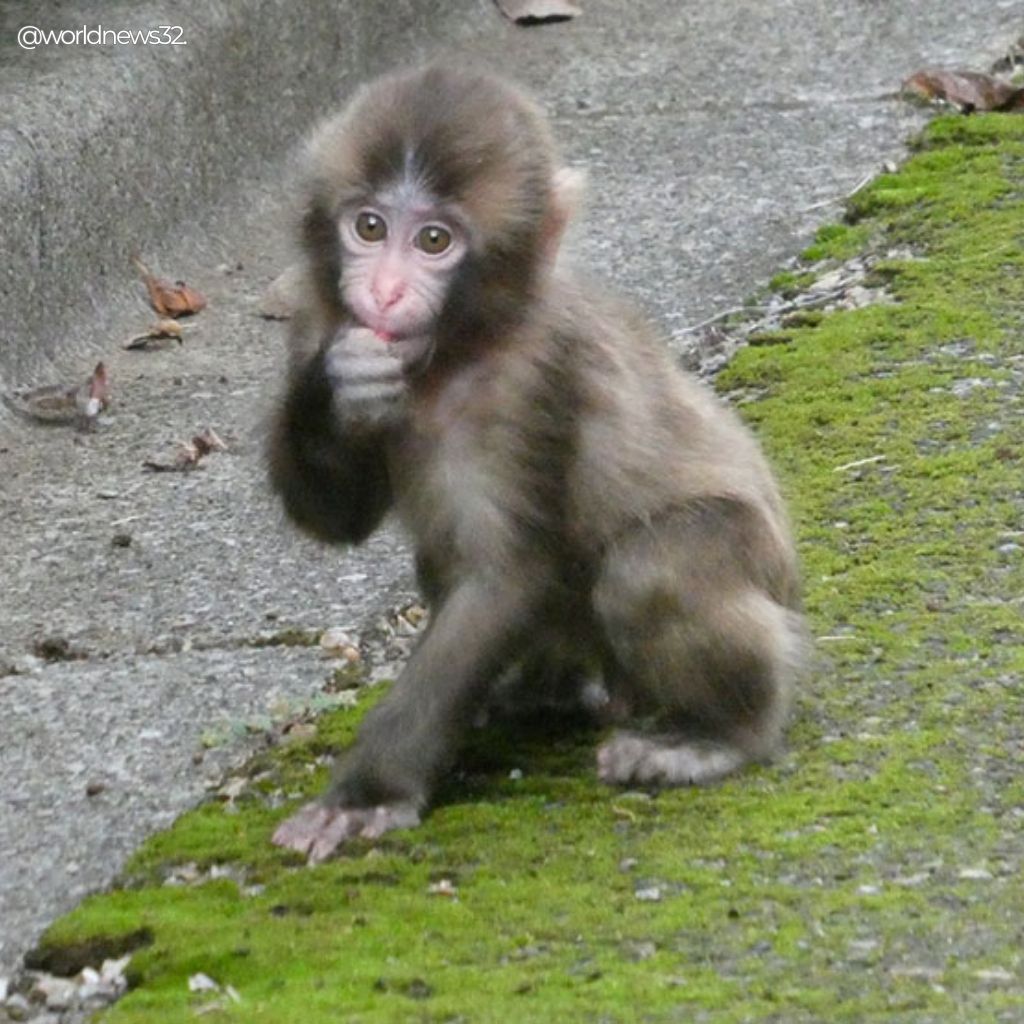
The baby monkey, named Punch, was born in July 2025 at Ichikawa City Zoo. Shortly after birth, his mother did not display normal maternal behavior. As a result, zookeepers intervened and began hand-raising him to ensure his survival.
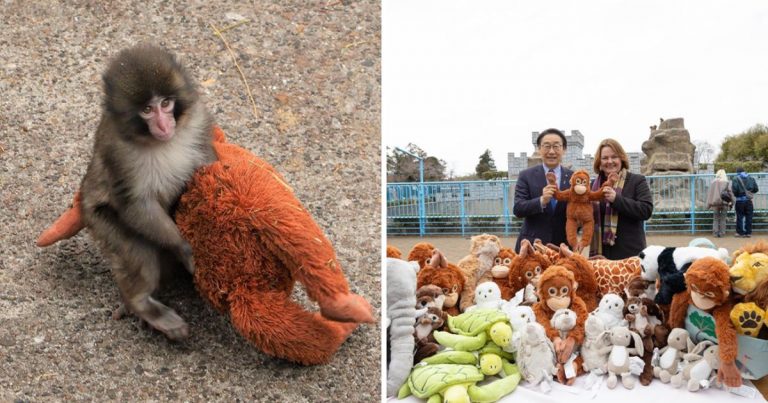
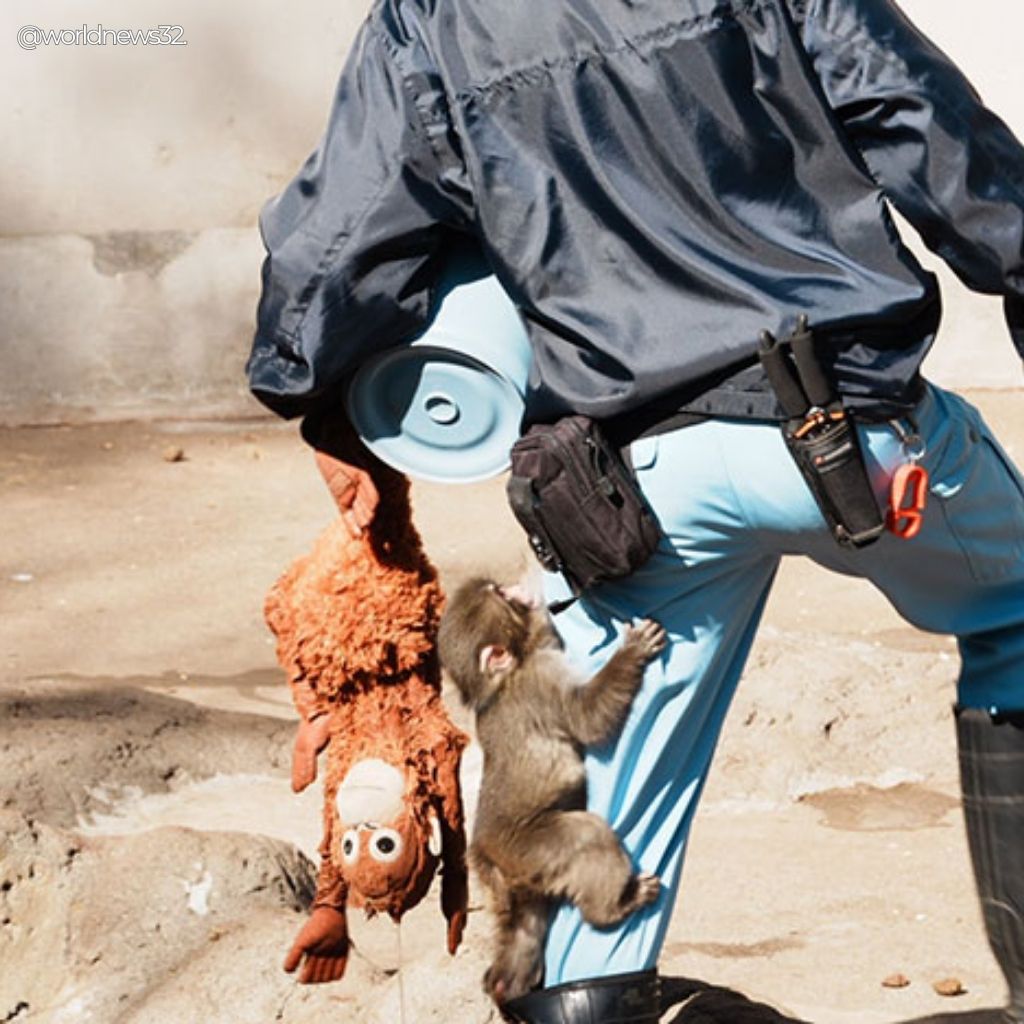
However, what captured global attention was not only the rescue effort but also the emotional image of Punch clinging to a large stuffed orangutan.
Why Maternal Rejection Happens in Primates
Maternal rejection in macaques is uncommon but scientifically documented. First-time mothers sometimes struggle due to hormonal imbalance, environmental stress, or physical exhaustion.
According to behavioral observations cited by The Mainichi, Punch’s mother had just experienced her first birth during extreme summer heat. Caregivers monitored the troop from a distance, expecting natural bonding to occur. However, no maternal engagement was observed.
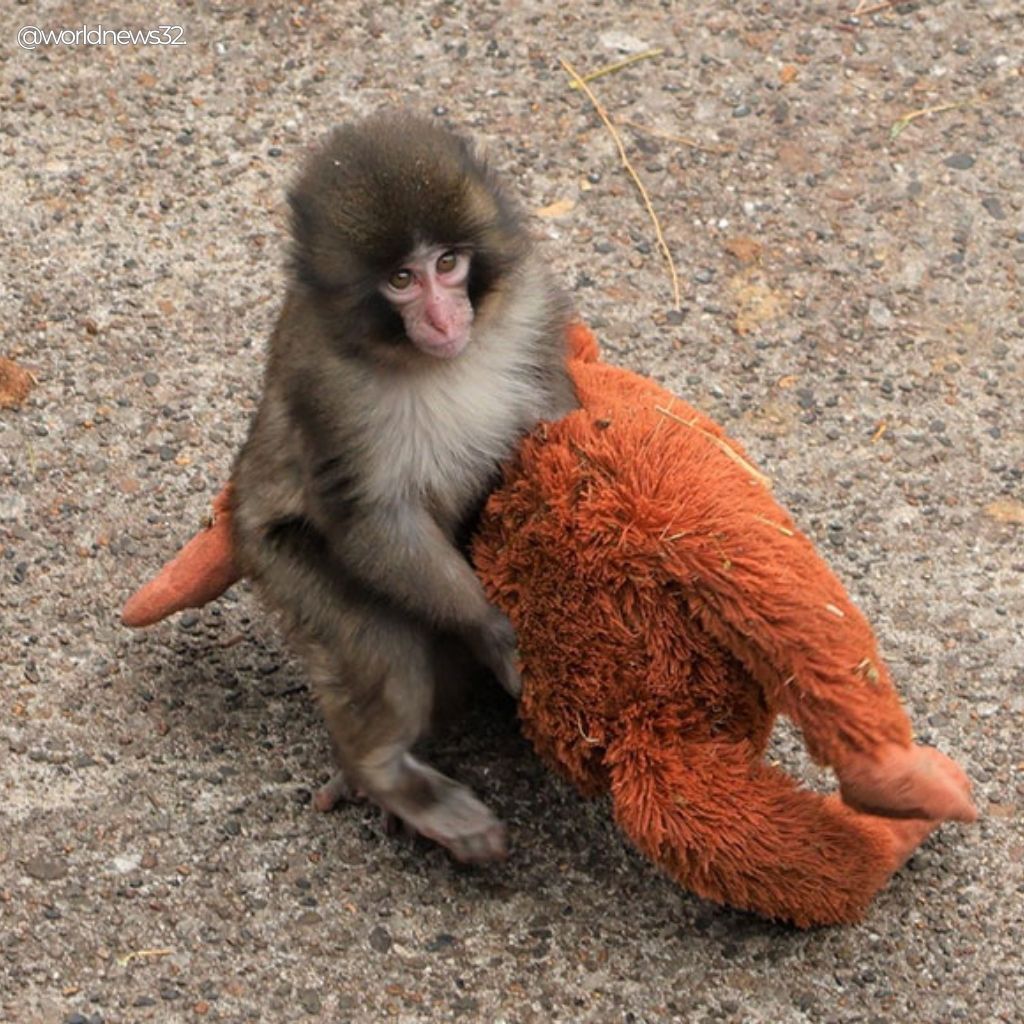
In macaque societies, infants instinctively cling to their mothers immediately after birth. This clinging behavior is critical for muscle development, thermoregulation, and emotional security. Without it, survival rates decrease significantly.
Therefore, early human intervention became essential.
The Scientific Importance of Comfort Contact
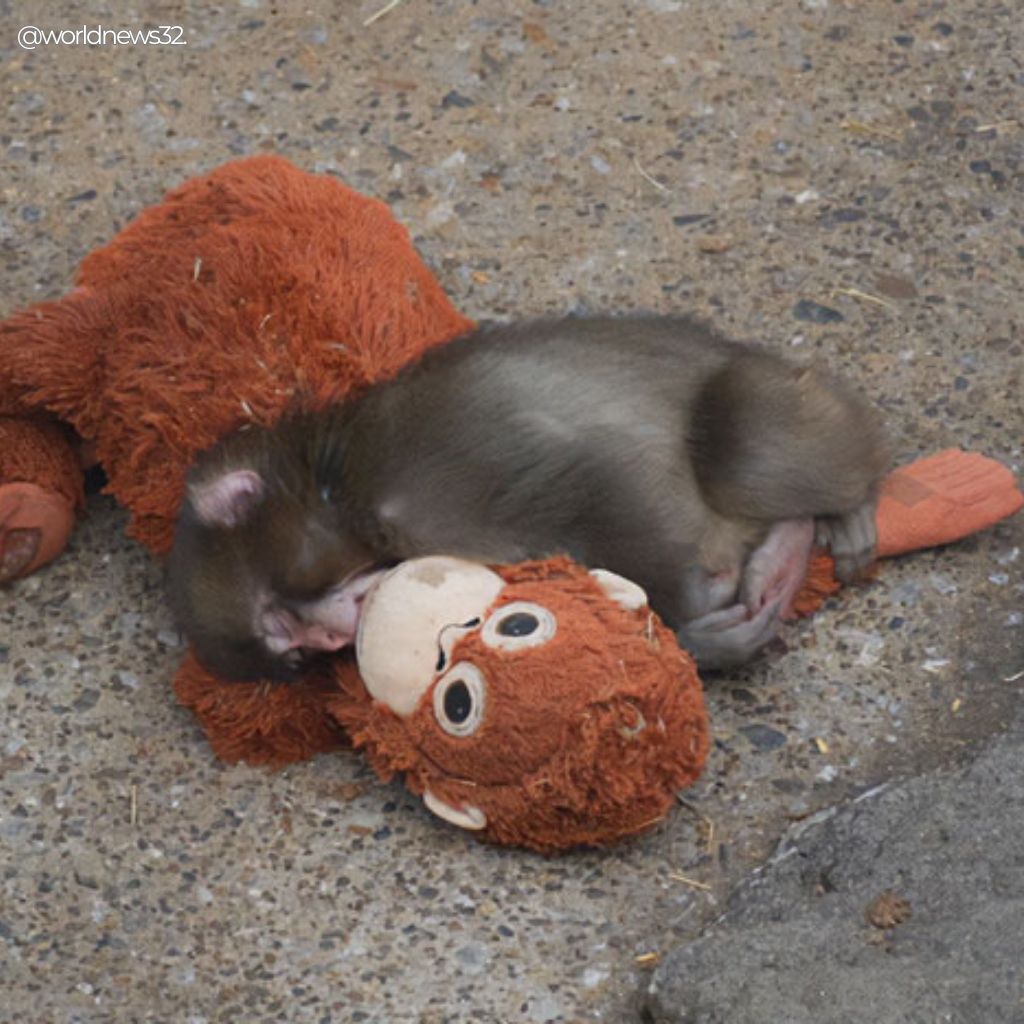
Punch’s attachment to a stuffed toy is not merely sentimental; it aligns closely with established primate research.
In the 1950s, psychologist Harry Harlow conducted landmark experiments with rhesus macaques. His findings demonstrated that infant monkeys preferred soft cloth surrogate mothers over wire frames that provided milk. The research concluded that tactile comfort plays a foundational role in emotional development.
Punch’s behavior mirrors those findings.
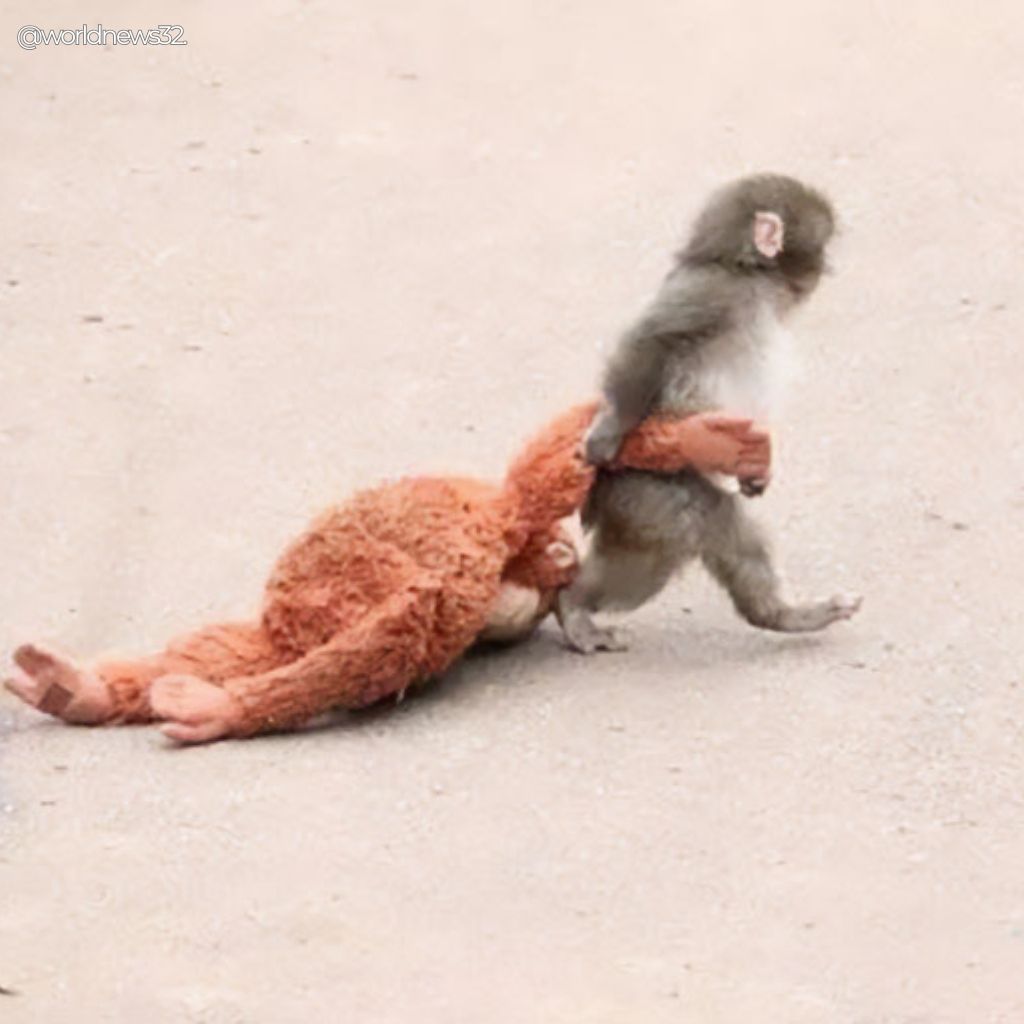
When provided with towels and soft enrichment objects, Punch chose a plush orangutan toy. The fur texture allowed him to grip easily, while the toy’s primate-like shape may have reinforced a sense of familiarity.
Comfort contact regulates stress hormones. Studies in developmental biology show that consistent tactile stimulation lowers cortisol levels, stabilizes heart rate, and supports healthy neurological growth. For infant mammals, emotional comfort is biologically protective.
Thus, the stuffed toy functioned as a surrogate attachment figure.
The Psychological Role of Transitional Objects
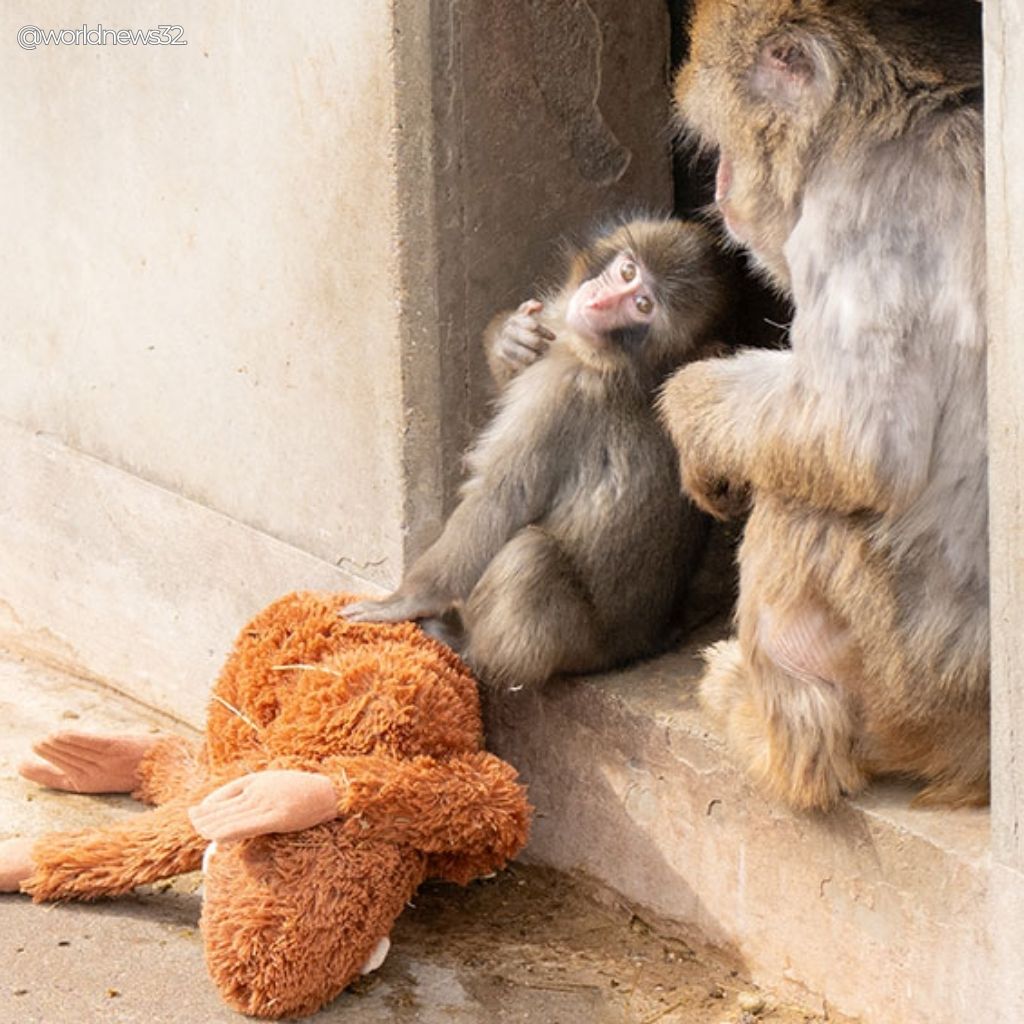
Transitional objects are not unique to humans. In fact, orphaned mammals across species display attachment behaviors toward soft materials, bedding, or familiar textures.
Veterinary behavioral specialists often recommend soft surrogate items for hand-raised animals because tactile security promotes exploratory confidence. Reduced anxiety allows young animals to engage socially and learn environmental cues more effectively.
Punch was frequently seen sleeping with the plush toy, wrapping his arms around it, and carrying it throughout his enclosure. These behaviors reflect instinctive clinging patterns normally directed toward a biological mother.
Rather than signaling weakness, such attachment may indicate adaptive coping.
Hand-Raising and Social Integration
Zookeepers Kosuke Shikano and Shumpei Miyakoshi provided structured feeding schedules, physical monitoring, and enrichment activities. Hand-feeding ensured adequate nutrition, while supervised environmental exposure maintained developmental stimulation.
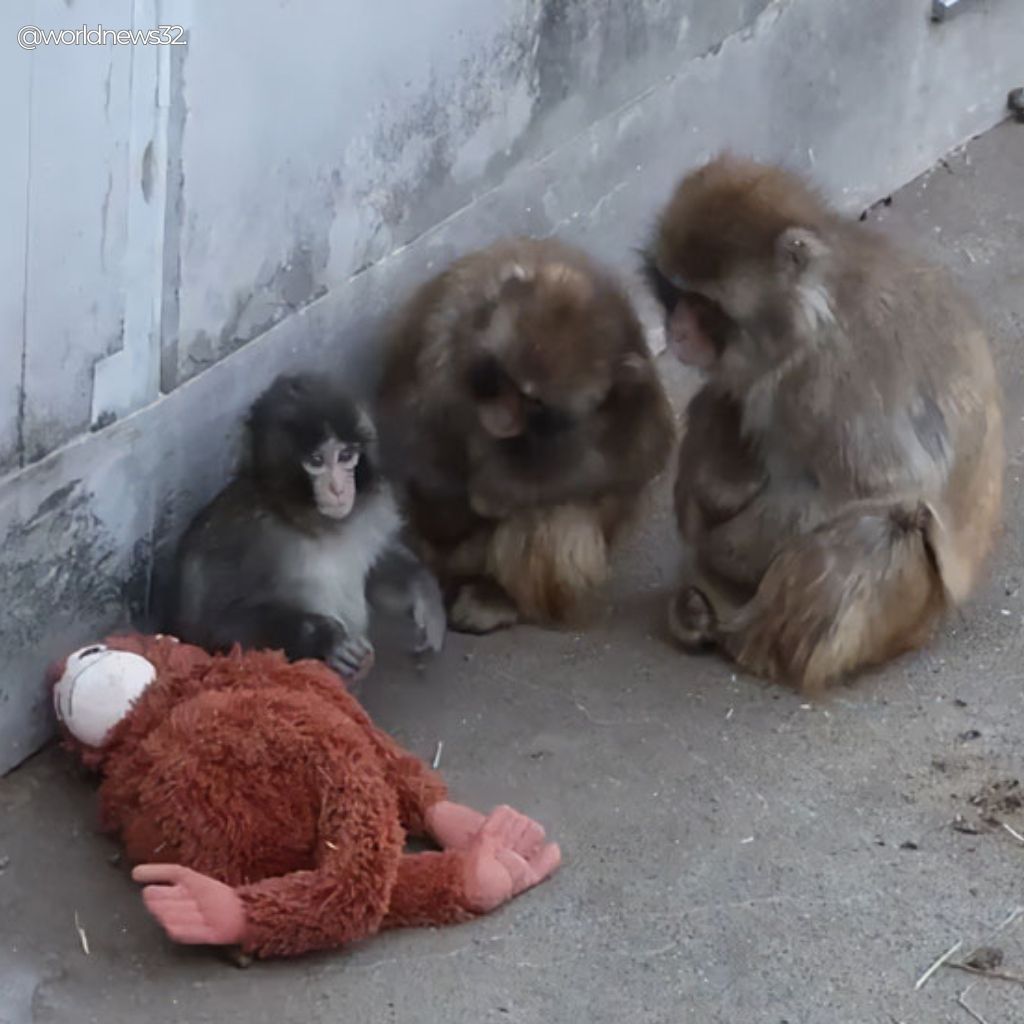
Eventually, in January, Punch was introduced to a small group of macaques within the zoo. Social integration is a delicate process in primates because hierarchy, grooming rituals, and corrective interactions shape long-term behavior.
According to updates from Ichikawa City Zoo, Punch has gradually deepened his interactions with other monkeys. He experiences grooming, playful engagement, and occasional scolding from older troop members.
Importantly, caretakers observed that he recovers quickly from social corrections, suggesting strong emotional resilience.
Despite these advancements, Punch continues to carry his stuffed companion, indicating that transitional support remains valuable during integration.
Emotional Reactions Versus Biological Reality
Online reactions described the situation as heartbreaking, with many viewers stating that “nature is cruel.” However, from a biological standpoint, maternal rejection is typically influenced by stress, inexperience, or environmental factors rather than intention.
In primate ecology, first births often carry higher risks. Additionally, extreme weather conditions can influence maternal hormonal responses.
Although the scenario evokes empathy, the outcome highlights adaptive recovery supported by structured human care.
Punch’s development demonstrates that early intervention, emotional support, and scientifically informed enrichment can significantly improve survival outcomes.
Long-Term Development and Resilience
Attachment stability in infancy influences future social confidence. Research in both human and nonhuman primates shows that secure early experiences reduce chronic stress responses later in life.
By providing tactile substitutes and consistent caregiving, Punch’s caretakers helped establish regulatory balance during a critical developmental window.
As he continues interacting with his troop, his social learning expands daily. Grooming exchanges teach hierarchy recognition. Play behavior enhances coordination and social intelligence. Mild scolding reinforces boundaries.
Each experience strengthens his adaptation skills.
The stuffed toy, therefore, becomes less a symbol of abandonment and more a tool supporting transitional growth.
Why This Story Matters for Animal Welfare
Punch’s story gained international attention and increased visitor numbers at Ichikawa City Zoo. Yet beyond viral appeal, it underscores essential animal welfare principles.
First, emotional well-being is inseparable from physical survival. Second, evidence-based interventions significantly influence recovery outcomes. Third, compassionate yet scientifically grounded care can reshape developmental trajectories.
Infant mammals require warmth, tactile reassurance, and predictable caregiving. When biological mothers cannot provide these elements, surrogate strategies become vital.
Punch’s progress demonstrates that resilience can emerge from structured support systems.
Final Reflection
A baby monkey clinging to a stuffed toy may initially appear tragic. However, when examined through the lens of behavioral science, the image reveals adaptive coping, informed caregiving, and measurable resilience.
Punch’s journey illustrates how attachment theory applies beyond humans. It highlights the profound impact of tactile security during infancy and affirms that carefully designed interventions can bridge early developmental gaps.
Ultimately, the story of this baby monkey is not solely about rejection. It is about survival, neurobiological adaptation, and the power of compassionate, science-based animal care.