IKEA Praised for Gift to Baby Monkey Punch
IKEA praised for gift to baby monkey Punch after his mother abandoned him. Why did a plush toy spark global emotion and corporate response? This article explains what happened, why it resonated, and what science says about comfort, social development, and ethical animal care. The baby monkey Punch, born in July 2025 at Ichikawa City…
IKEA praised for gift to baby monkey Punch after his mother abandoned him. Why did a plush toy spark global emotion and corporate response? This article explains what happened, why it resonated, and what science says about comfort, social development, and ethical animal care.
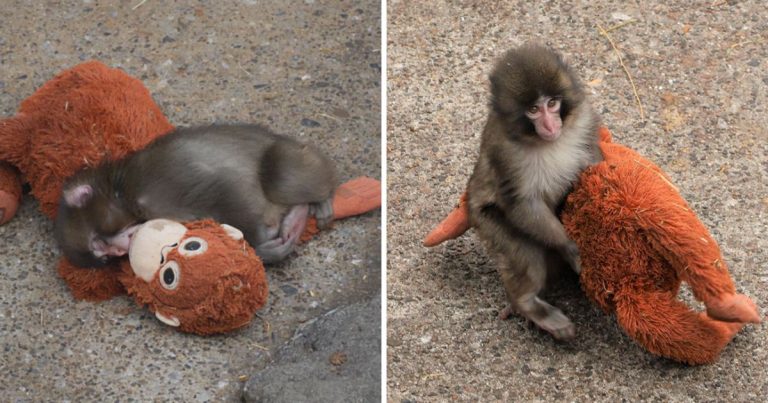
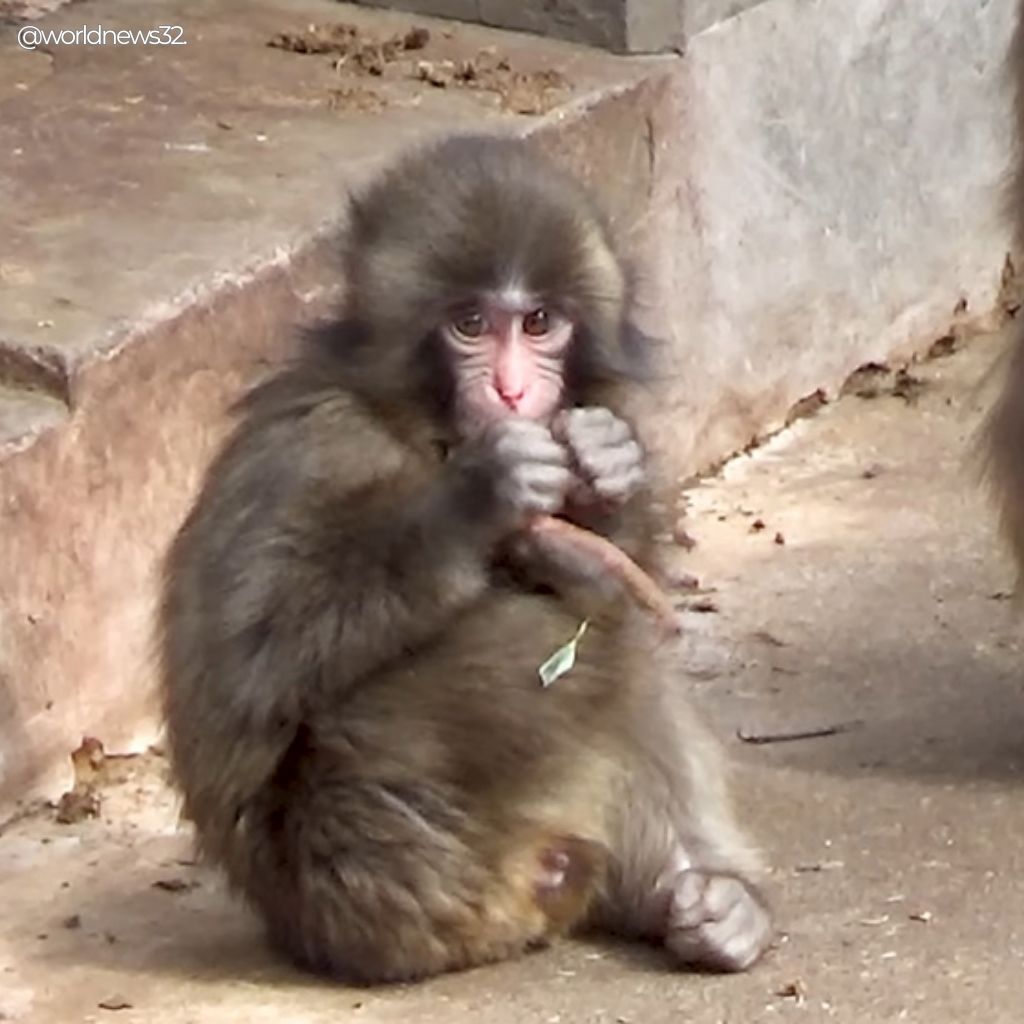
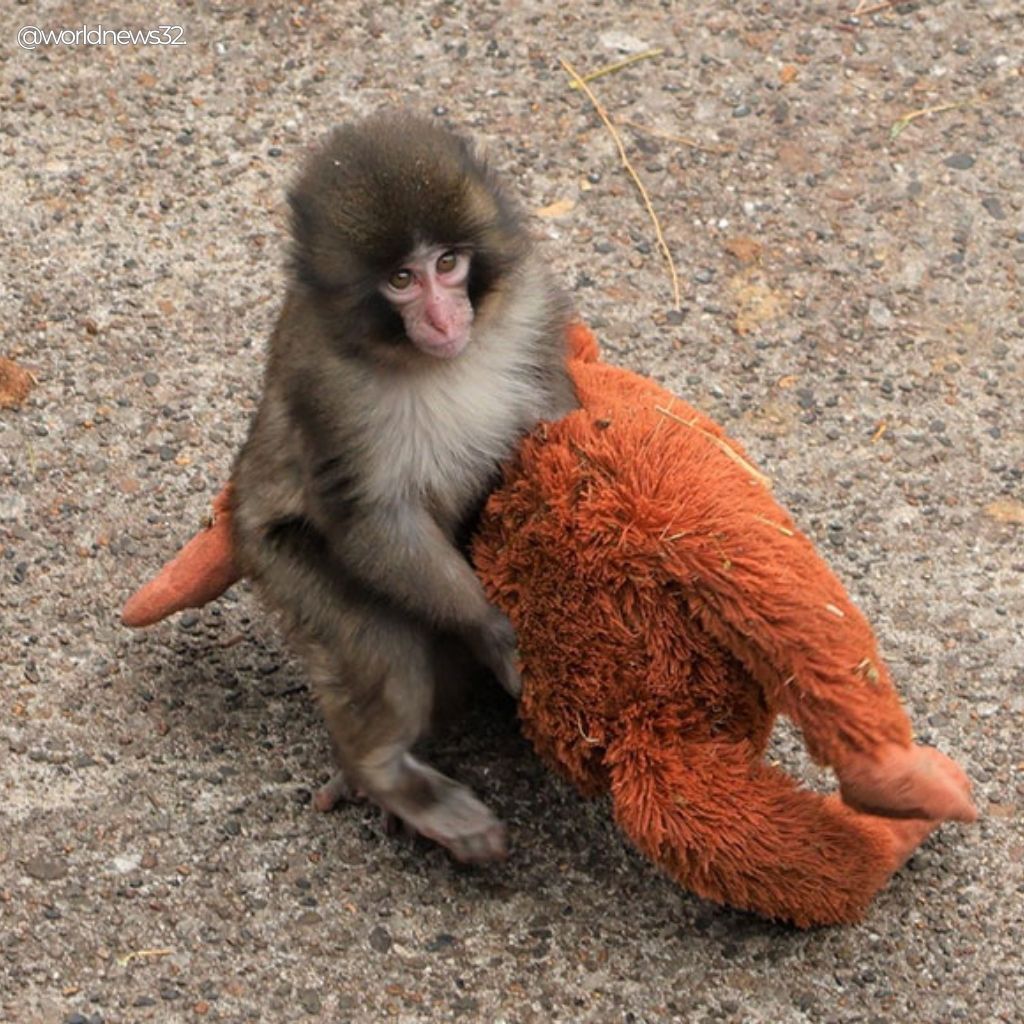
The baby monkey Punch, born in July 2025 at Ichikawa City Zoo in Chiba, Japan, became a viral symbol of vulnerability when he was seen clinging to a stuffed orangutan.
After his mother rejected him shortly after birth, caretakers bottle-fed him and provided soft enrichment items for comfort. Among them was what many believe to be IKEA’s popular DJUNGELSKOG orangutan plush. Soon after, IKEA Japan responded.
Why Punch’s Story Captured Public Attention
Infant macaques instinctively cling to their mothers from birth. This behavior supports muscle development, warmth regulation, and emotional stability.
When Punch was rejected, that natural attachment pathway was interrupted. As a result, he sought comfort elsewhere.
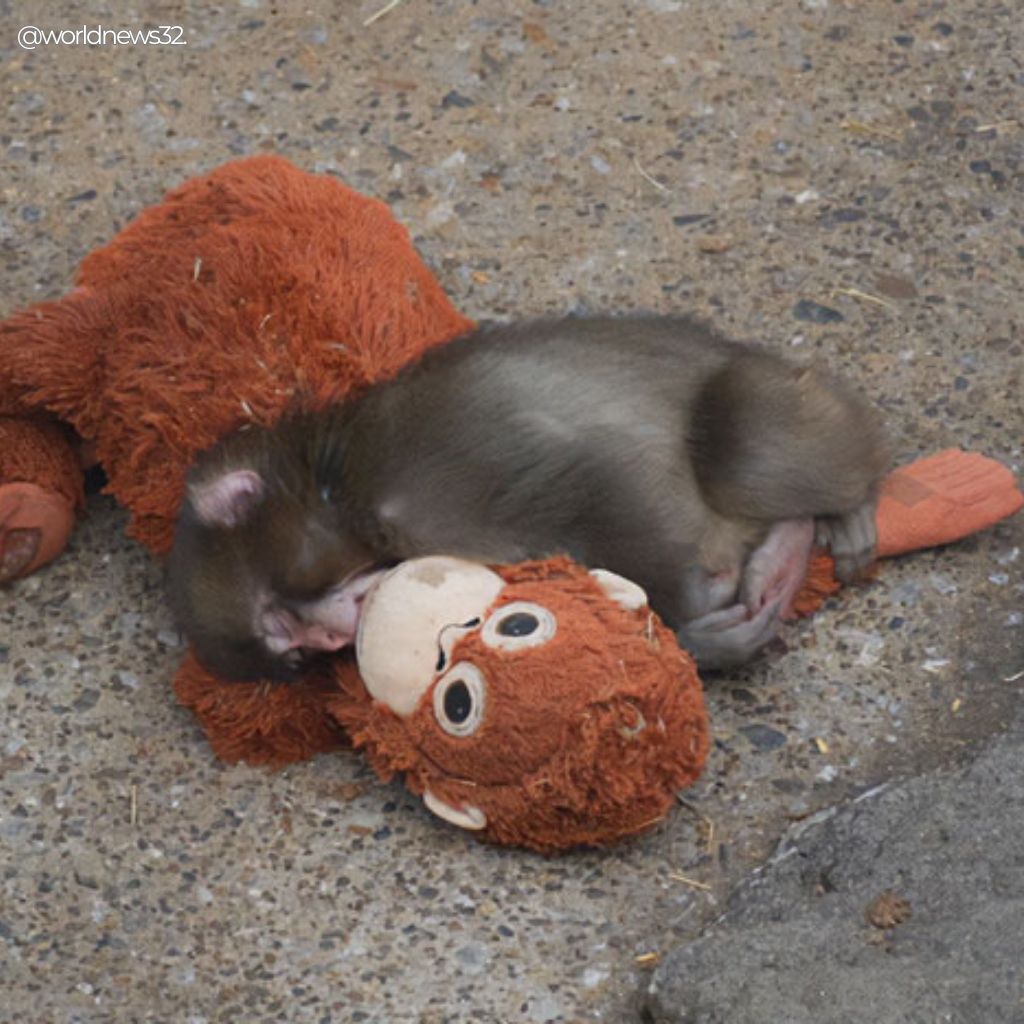
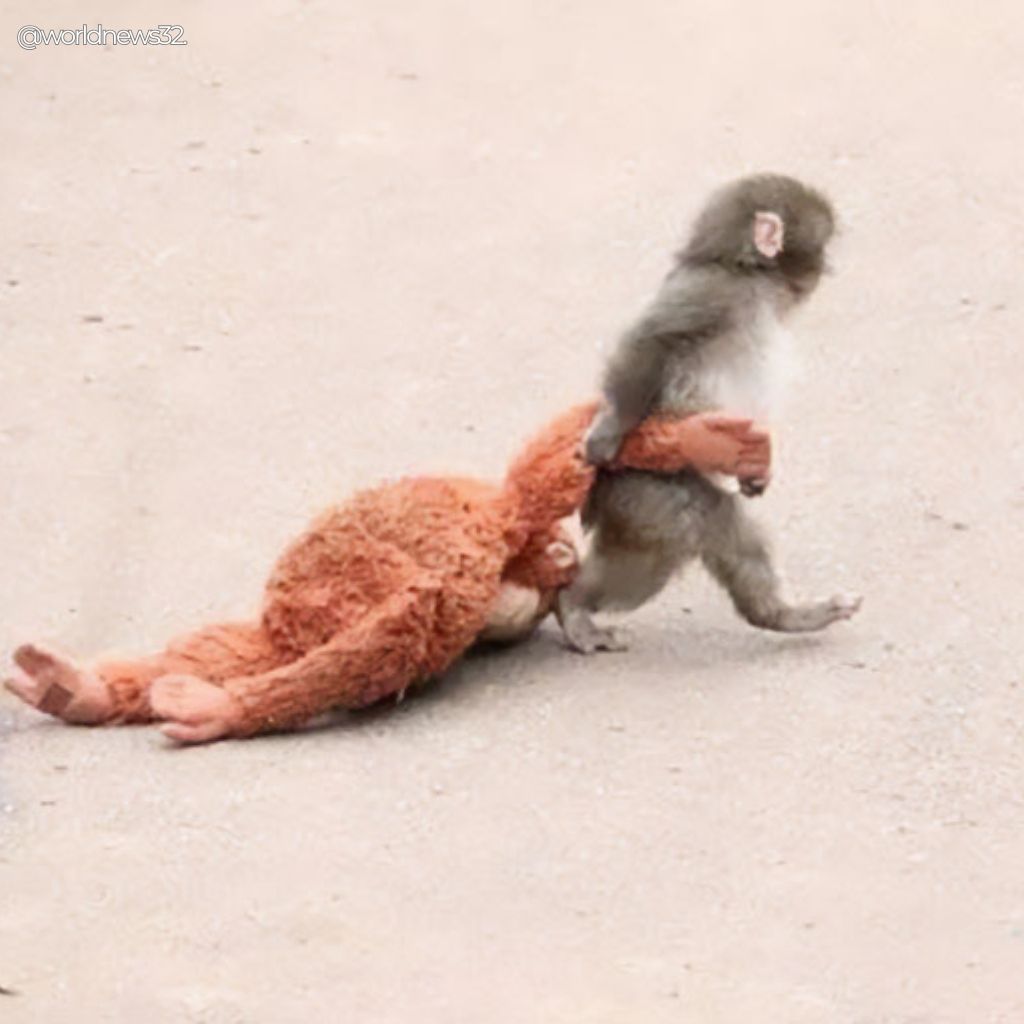
Videos showed him sleeping with the plush toy, wrapping his arms tightly around it, and dragging it across his enclosure. The internet affectionately nicknamed the stuffed animal “Ora-mama.”
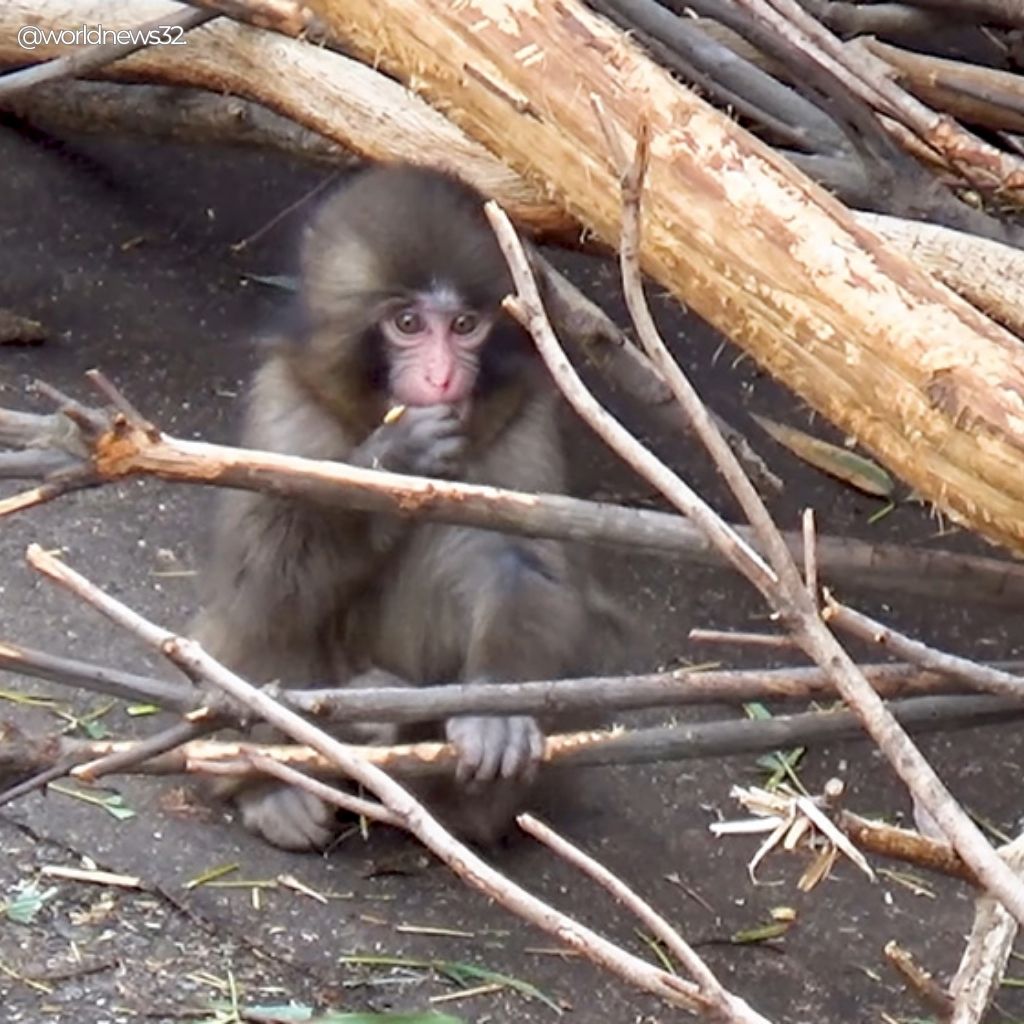
Emotional reactions flooded social media, with many describing the images as both adorable and heartbreaking. However, beyond the emotion lies important science.
Research in primate development, including Harry Harlow’s attachment studies, demonstrates that tactile comfort significantly reduces stress responses in infant monkeys.
Soft contact lowers cortisol levels and supports neurological regulation. Therefore, Punch’s attachment to the plush toy reflects an adaptive coping response rather than mere sentimentality.
IKEA Japan’s Gesture and Public Visit
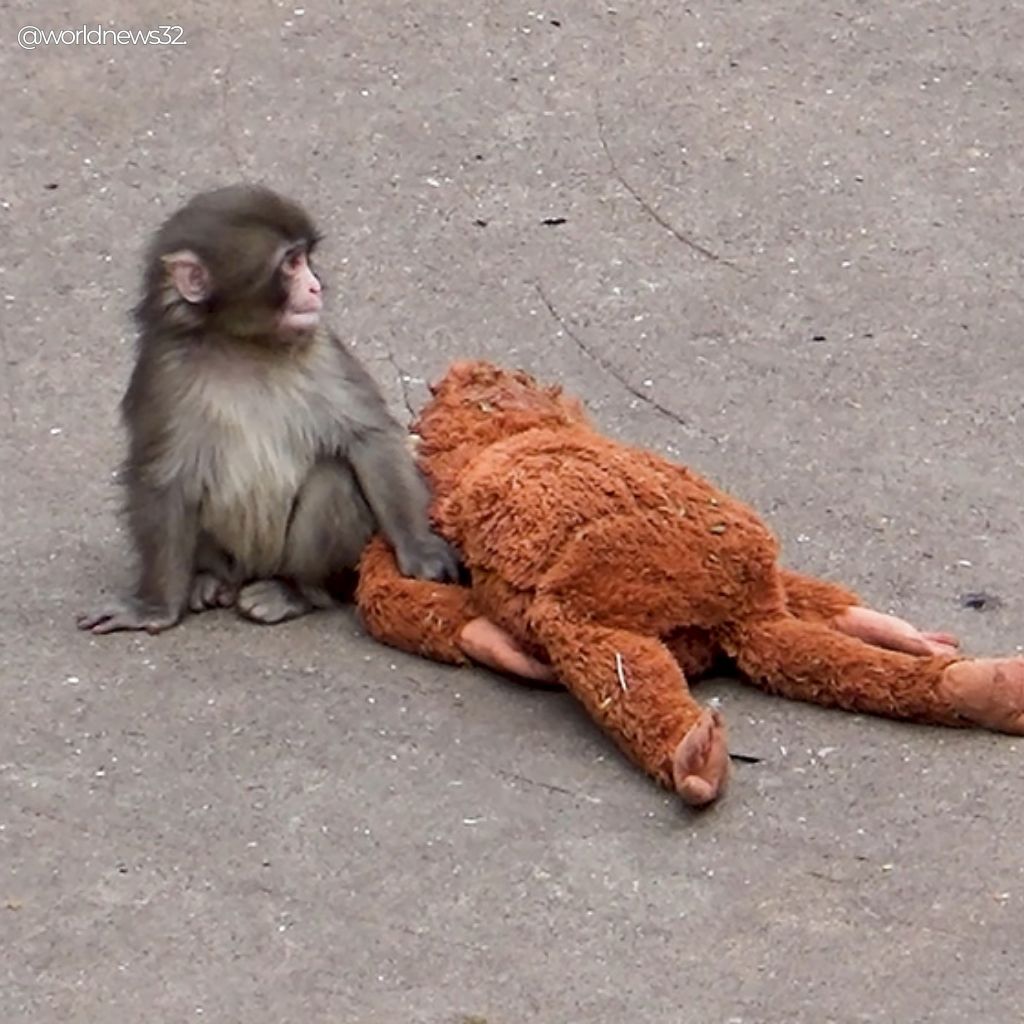
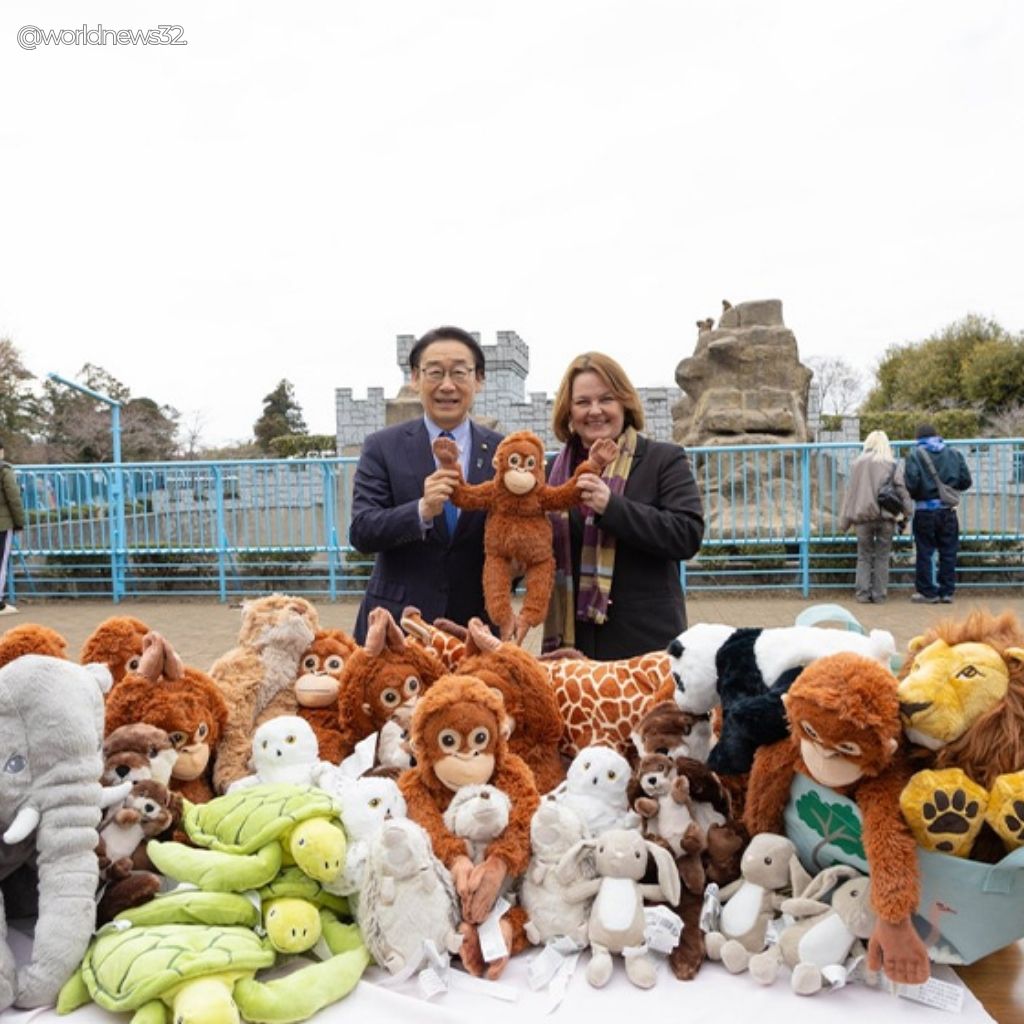
On February 17, Petra Fare, CEO and President of IKEA Japan, visited the zoo to meet Punch. During the visit, IKEA Japan donated multiple plush toys, including additional orangutans and other soft companions.
According to a translated statement shared by Ichikawa City, the donation aimed to provide emotional support while Punch gradually integrated into his troop.
Ichikawa City Mayor Ko Tanaka attended the visit and later shared supportive remarks on social media, encouraging the public to cheer, “Ganbare, Punch-kun,” which translates to “You can do it.”
The gesture quickly drew praise online. Many described it as wholesome and thoughtful, suggesting that the company helped brighten the baby monkey’s recovery journey.
The Debate: Compassion or Marketing?
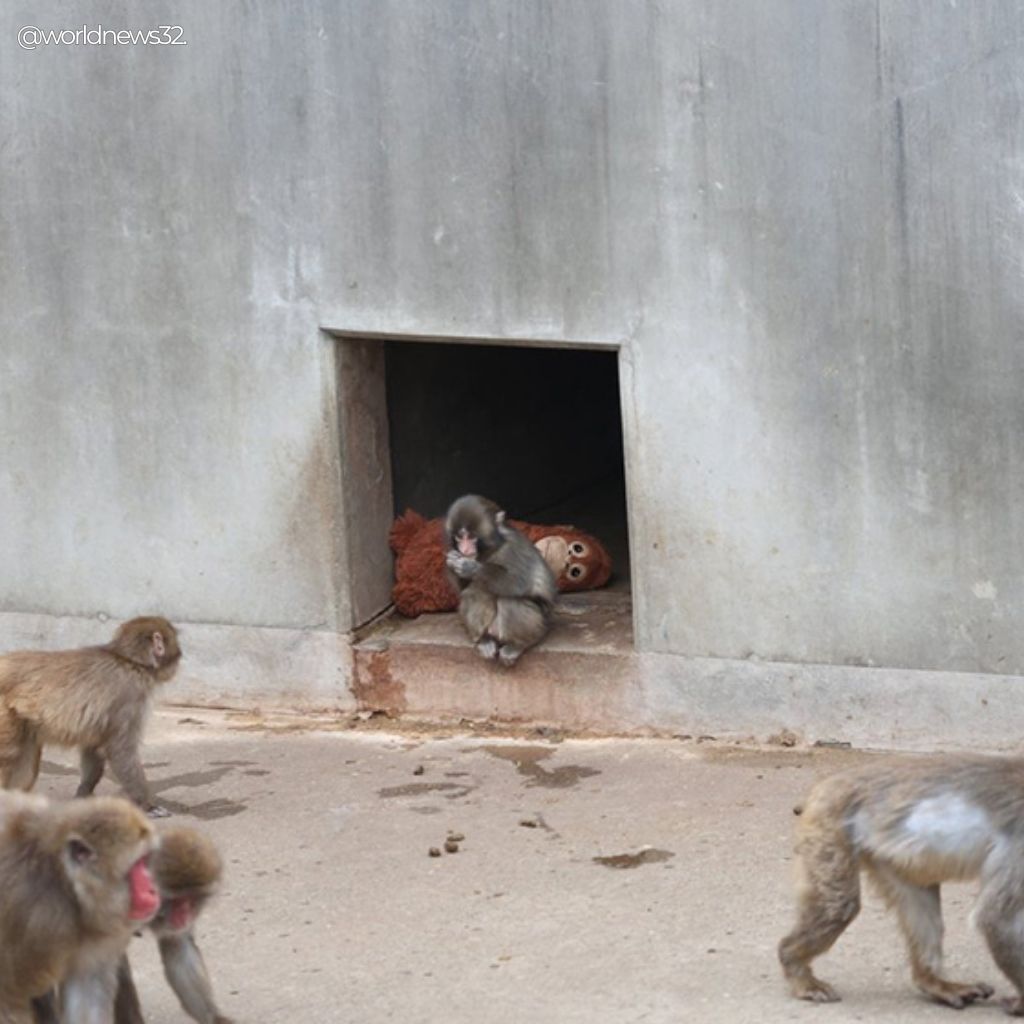
While many applauded IKEA Japan, others questioned the intention behind the donation.
Some critics argued that the gesture functioned as a marketing strategy leveraging a viral emotional narrative. Others suggested that plush toys could never substitute real socialization within a macaque troop.
These concerns reflect a broader ethical discussion about corporate social responsibility in viral animal stories. However, it is important to separate symbolic support from developmental strategy.
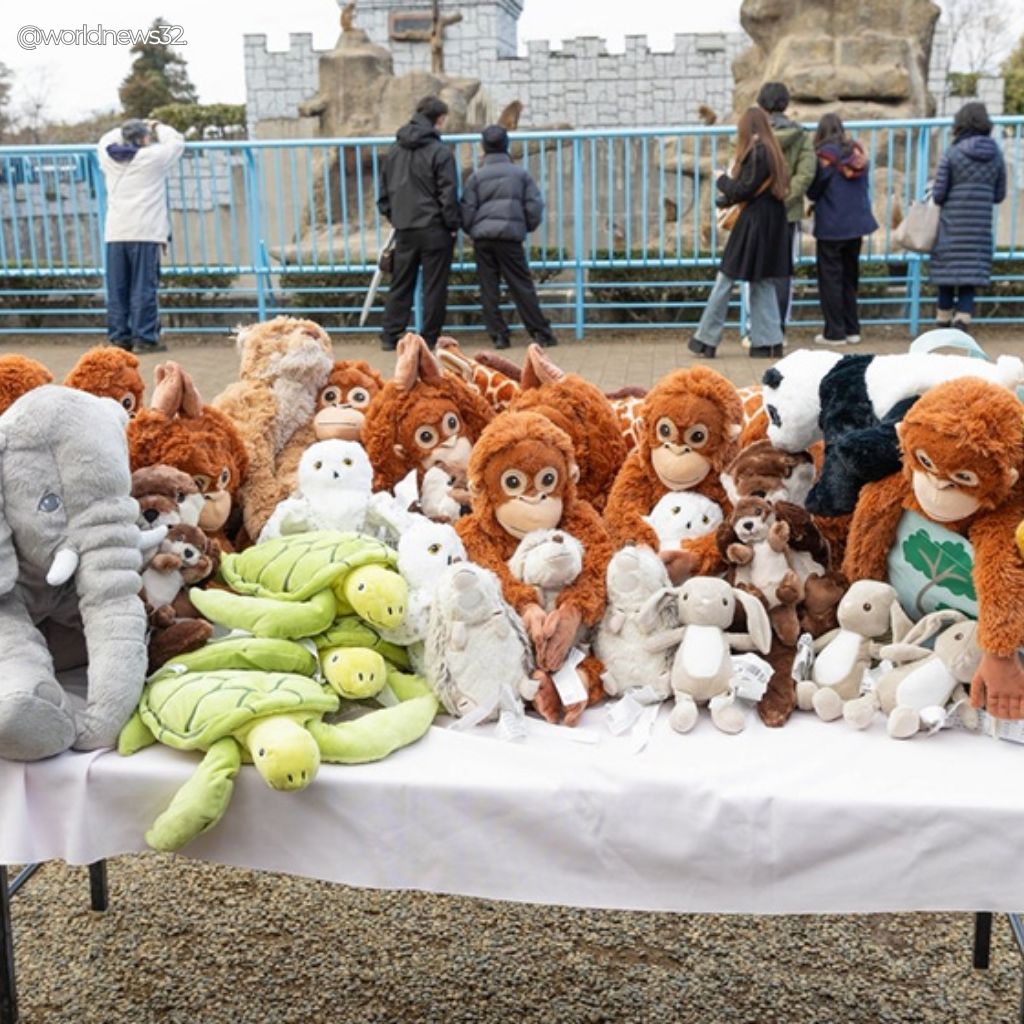
Plush toys are not meant to replace social integration. They serve as transitional comfort objects. According to developmental psychology and veterinary behavioral science, transitional objects reduce anxiety during periods of instability.
Lower stress supports exploratory behavior, which in turn improves social learning. Therefore, emotional comfort and social integration are not mutually exclusive. They can function together.
Social Development and Troop Integration
Initially, Punch struggled with social acceptance. Without maternal protection, he lacked the early social buffering typical in macaque groups.
Caretakers at Ichikawa City Zoo carefully introduced him to a smaller subgroup in January. Gradual integration is critical because primate hierarchies depend on grooming rituals, play behavior, and corrective interactions.
Recent updates indicate positive progress. Punch has been observed engaging with other monkeys, receiving grooming, and participating in playful exchanges.
A zookeeper told TV Asahi that after days of clinging to the orangutan plush, Punch began approaching troop members independently. Eventually, they accepted him.
More recently, videos show an adult monkey grooming and caring for him, signaling increased social stability.
This development suggests that the plush toy functioned as temporary emotional scaffolding rather than a permanent substitute.
The Role of Emotional Security in Primate Health
Infant mammals require warmth, consistent touch, and predictable caregiving. These factors regulate heart rate variability and stress hormone levels. Elevated chronic cortisol in early life can impair immune function and hinder social learning.
By providing structured hand-feeding, tactile substitutes, and monitored integration, the zoo’s caretakers addressed both physical and psychological needs.
Therefore, while the image of Punch clutching a plush toy evokes sympathy, it also reflects informed animal welfare practices.
The plush object supported emotional regulation during a vulnerable developmental window. Meanwhile, troop exposure built long-term social competence.
IKEA Japan’s Broader Social Impact
Regardless of online debate, IKEA Japan’s philanthropic efforts extend beyond this gesture.
According to the company’s official information, its Family Donation Program contributes funds to support children, teenagers, and families experiencing financial hardship.
For every purchase, a small amount is allocated toward housing support initiatives. The projected community budget for the 2026 financial year exceeds ¥73 million.
Additionally, IKEA Japan collaborates with the Association for Walking with Youth and supports the House of Rest and Recuperation, which provides safe housing for vulnerable teenagers.
Therefore, the donation to Punch aligns with broader corporate sustainability efforts focused on social welfare.
Why This Story Resonates Globally
Punch’s story highlights universal themes of vulnerability, resilience, and recovery. It also underscores how early intervention and scientifically informed care can change outcomes.
The viral attention increased visitor numbers at the zoo. However, more importantly, it sparked conversations about attachment, animal welfare, and corporate responsibility.
Emotional narratives often drive engagement. Yet behind the viral moment lies a deeper lesson about adaptive coping and structured care.
Punch is now gradually deepening his interactions with the troop. He is learning through grooming, play, and social correction. While he may not need his plush companion forever, it served its purpose during a critical stage.
Final Perspective
IKEA praised for gift to baby monkey Punch reflects more than a headline. It represents a convergence of emotional storytelling, behavioral science, and modern corporate visibility.
Plush toys alone cannot replace maternal care. However, transitional comfort can stabilize stress responses and support healthy development when combined with proper social integration.
Punch’s journey continues. His resilience demonstrates that even after early rejection, structured support and gradual social exposure can foster growth.
Ultimately, this story invites a larger reflection: when vulnerability becomes visible, how should institutions, corporations, and individuals respond?